
Topic Tag
#Asia insights
28 articles tagged with #Asia insights

What Safety Indicators Reveal About Asia’s Textile Industry — Insights for Brands, Factories, and Policymakers
Safety indicators are not neutral numbers; they are tools that shape behavior, allocate resources, and signal priorities. In Asia’s textile industry, they have driven real progress: fewer fires, better building standards, more training, and greater awareness of heat stress. But they have also created perverse incentives: underreporting, box-ticking, and a focus on documentation over genuine worker protection.
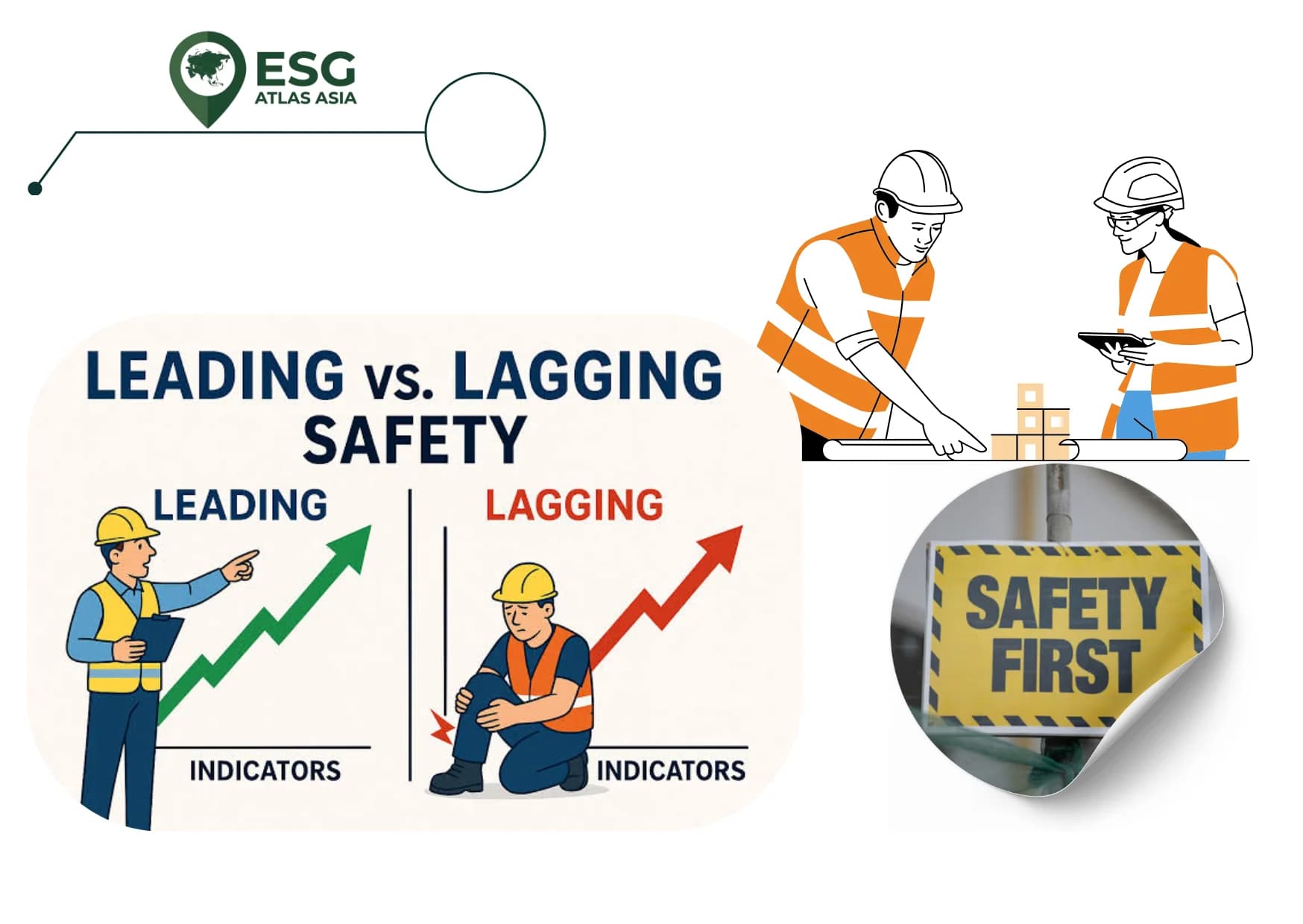
What Are Common Labor Safety Indicators in Asia’s Textile Industry and How to Calculate Them?
This article maps the core labor safety indicators used across Asia’s textile and garment sector, from TRIR and LTIFR to training completion and heat-stress metrics and explains, in practical terms, how each is calculated according to prevailing international and regional practice. It equips factory managers, brand compliance teams, and auditors with a clear, standardized toolkit for measuring safety performance in a way that aligns with ILO guidance and buyer expectations.
Why organizational chart matter to sustainability?
ESG targets grab headlines, but org charts reveal whether a company is truly built to deliver on its ESG promises. This article shows how to read an organizational chart to see real ambition and how to design structures that make all three ESG pillars count.
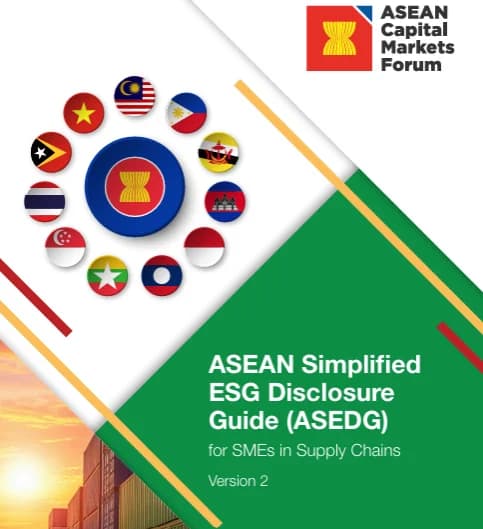
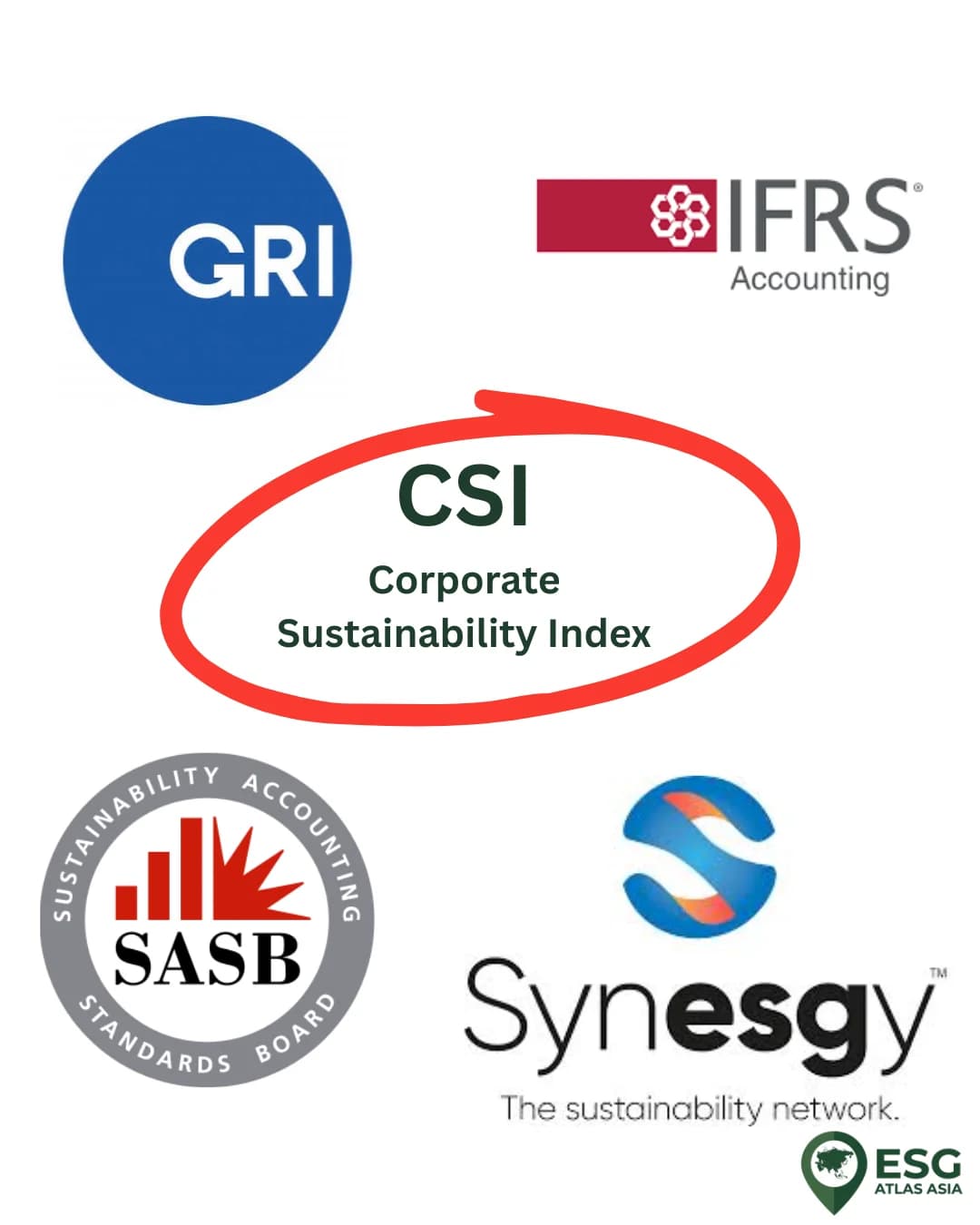
The World knows GRI, IFRS, and CSRD. But did you know ASEAN has its own supply chain ESG guide?
The article explains the ASEAN Simplified ESG Disclosure Guide (ASEDG), a voluntary framework by the ASEAN Capital Markets Forum that helps SMEs in supply chains report ESG data through 38 prioritized disclosures. These disclosures are mapped to IFRS S1/S2 and GRI standards, allowing SMEs to reuse the same information for multiple stakeholders. ASEDG uses a tiered Basic–Intermediate–Advanced approach to make reporting practical and scalable across ASEAN.
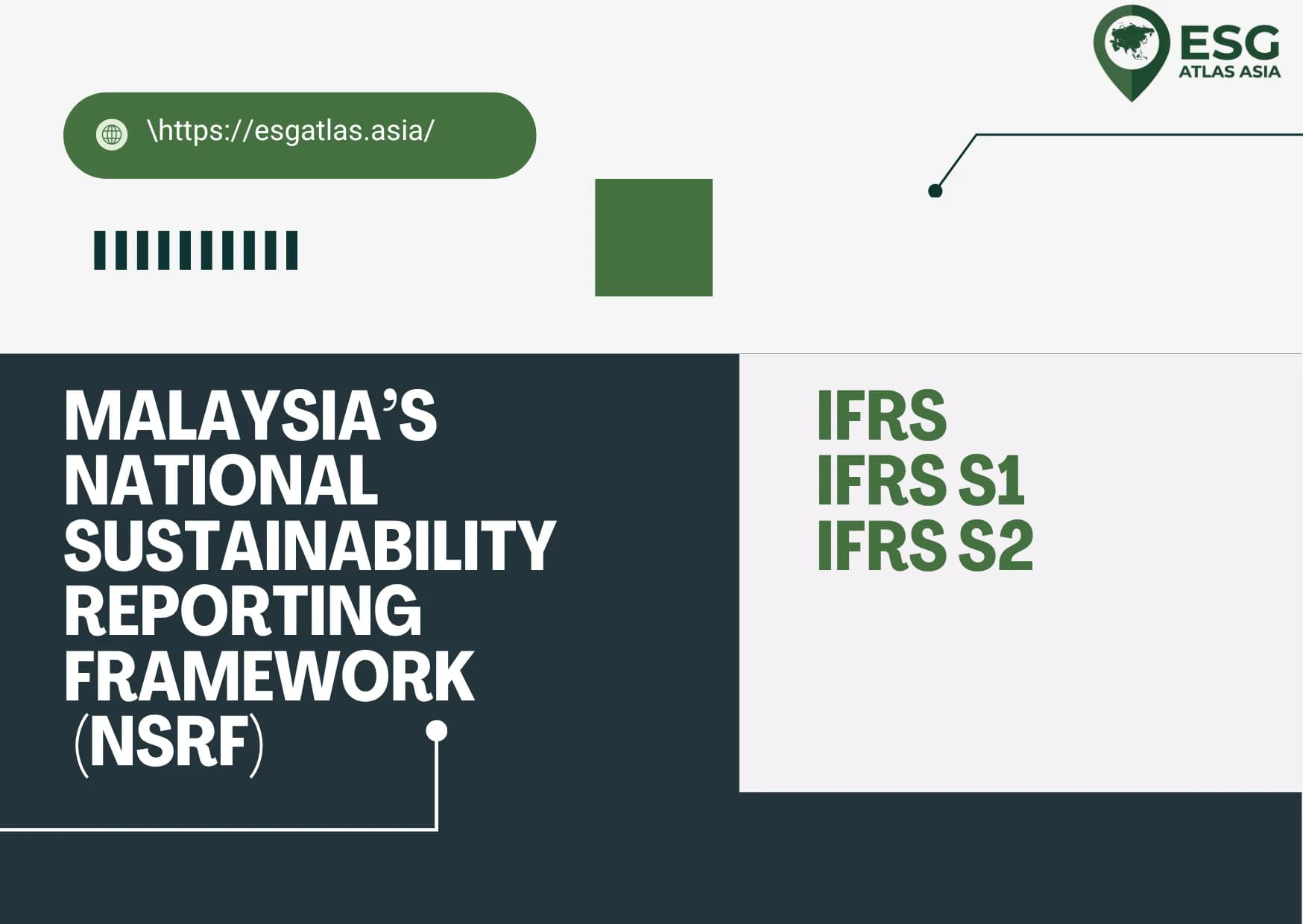
Malaysia’s National Sustainability Reporting Framework (NSRF): How to understand and apply it correctly?
This article provides a deep dive into Malaysia’s National Sustainability Reporting Framework (NSRF), outlining its timeline, scope, and key requirements. It compares how this local framework differs from the global IFRS standards and highlights other national emerging sustainability trends.

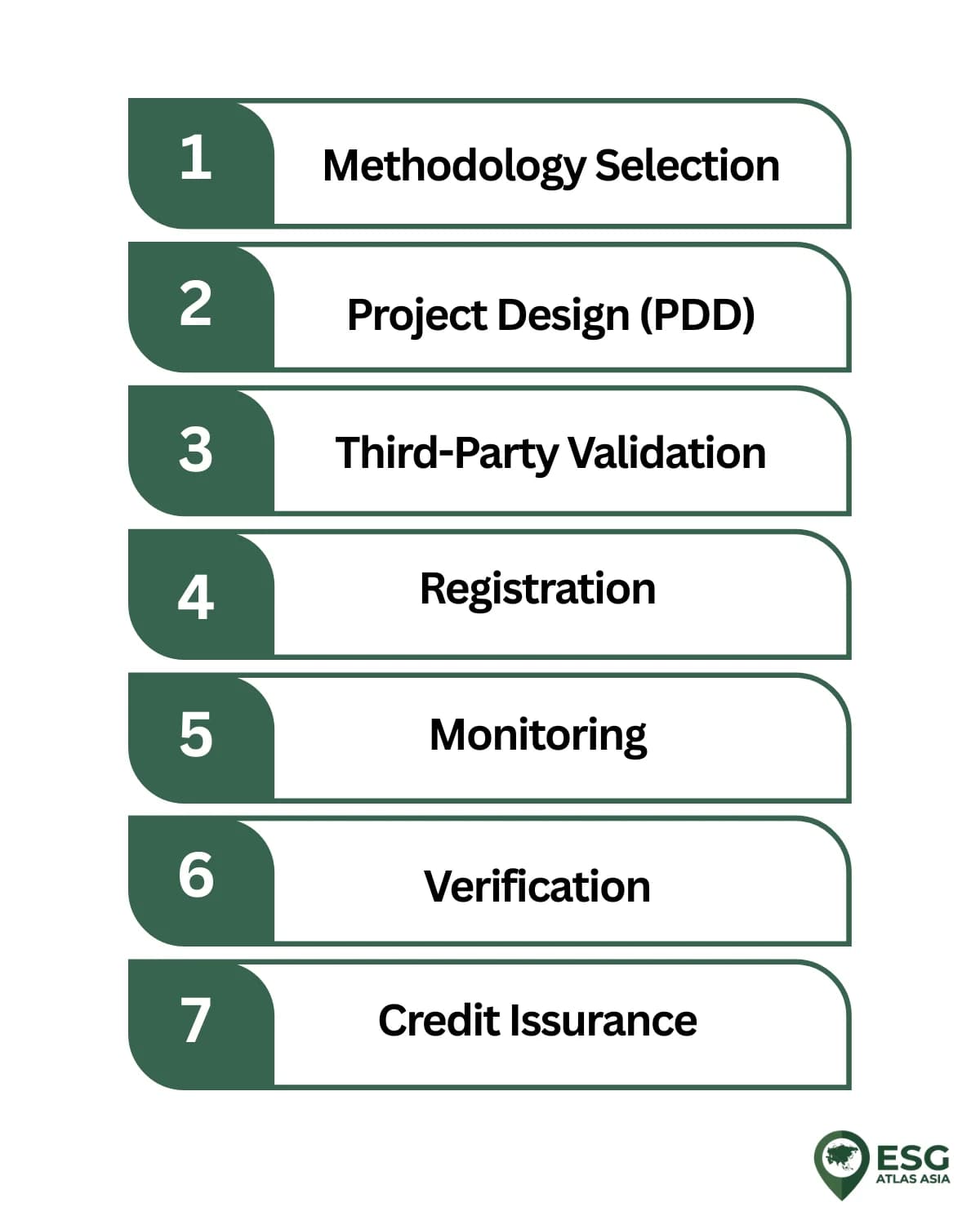
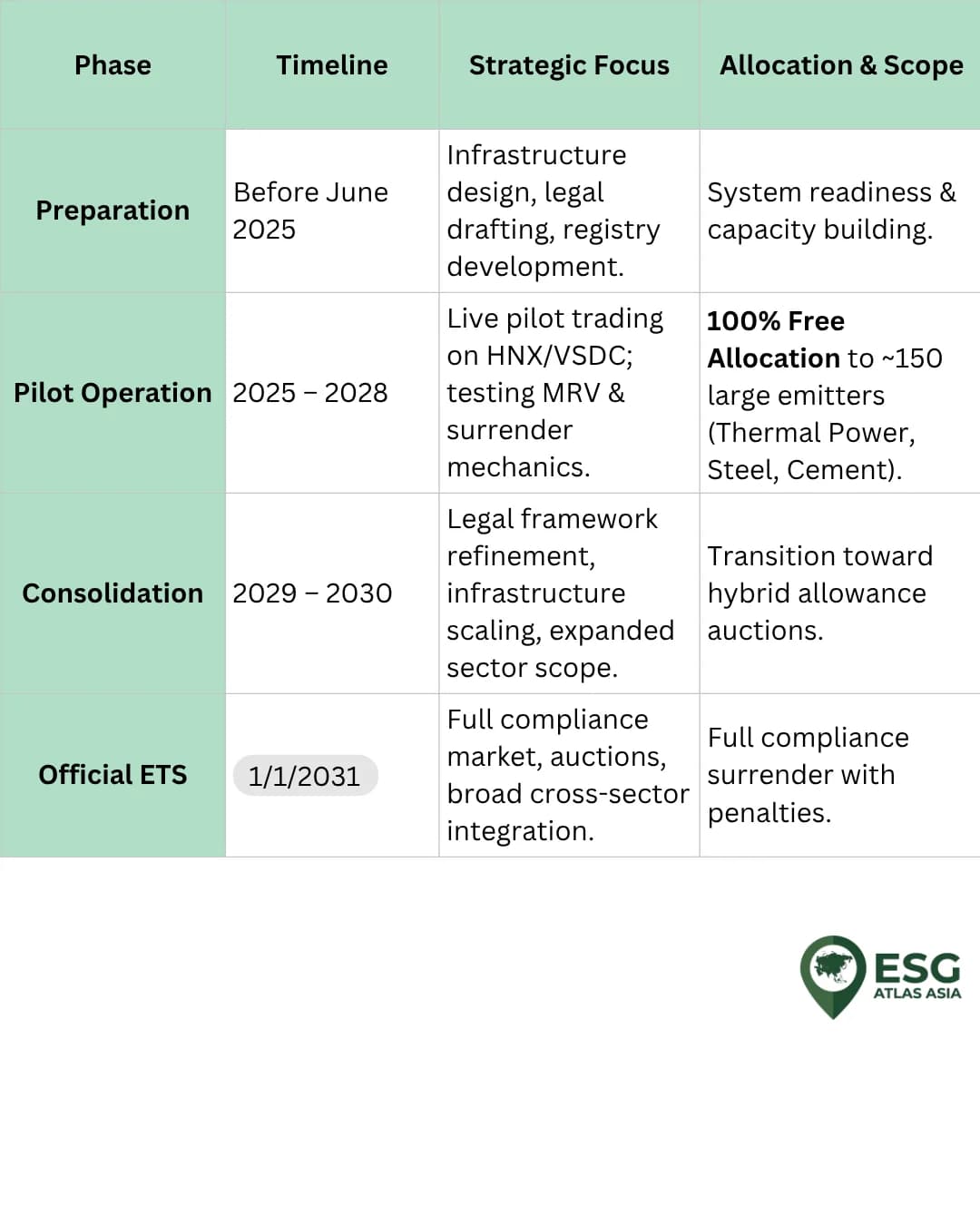
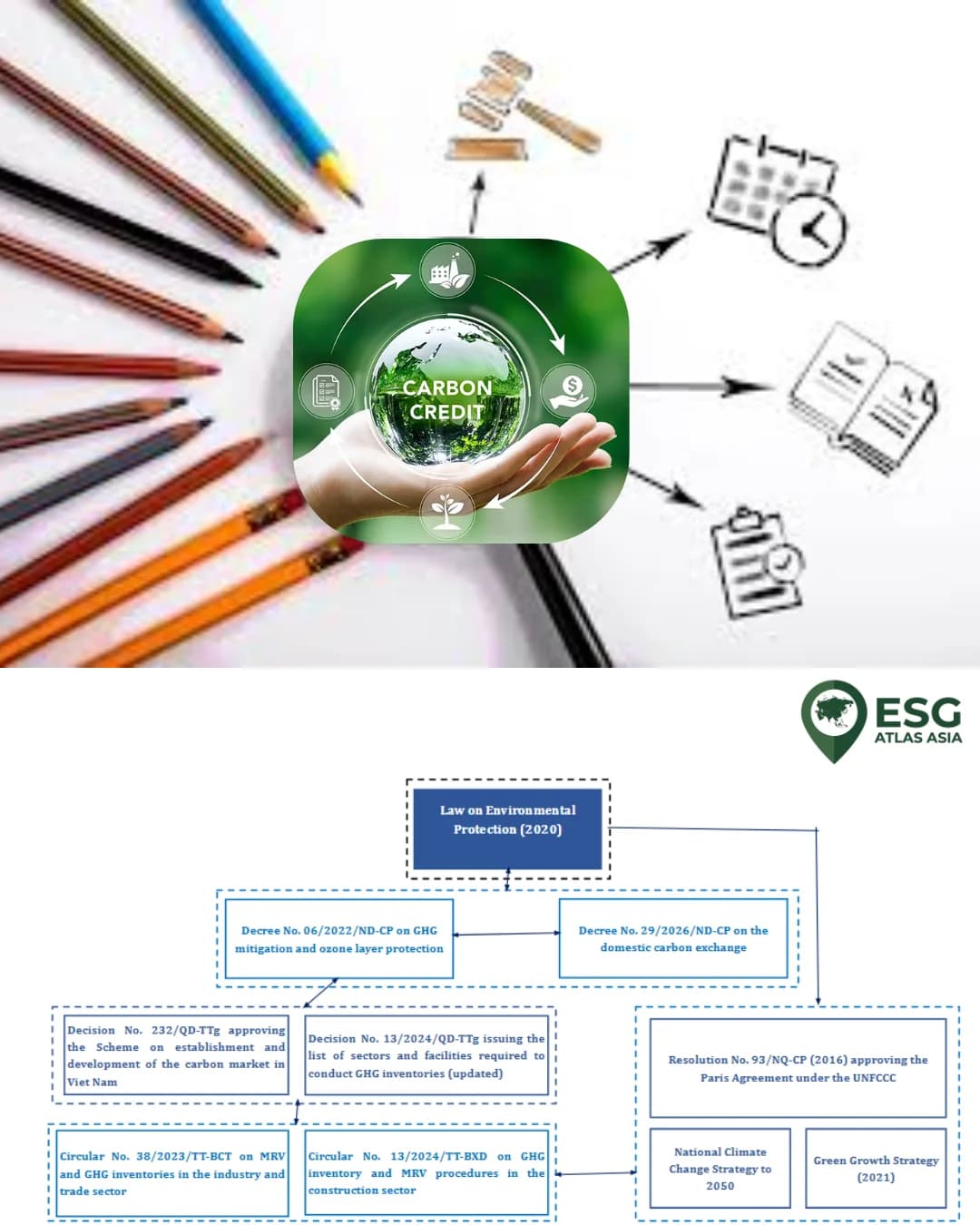


High-Integrity Nature Carbon Markets: Supply & Demand Trends in Asia
Read why Asian companies buy only 2.6% of local nature-based carbon credits, and how the shift toward verified removals and Article 6 will impact regional asset risk.

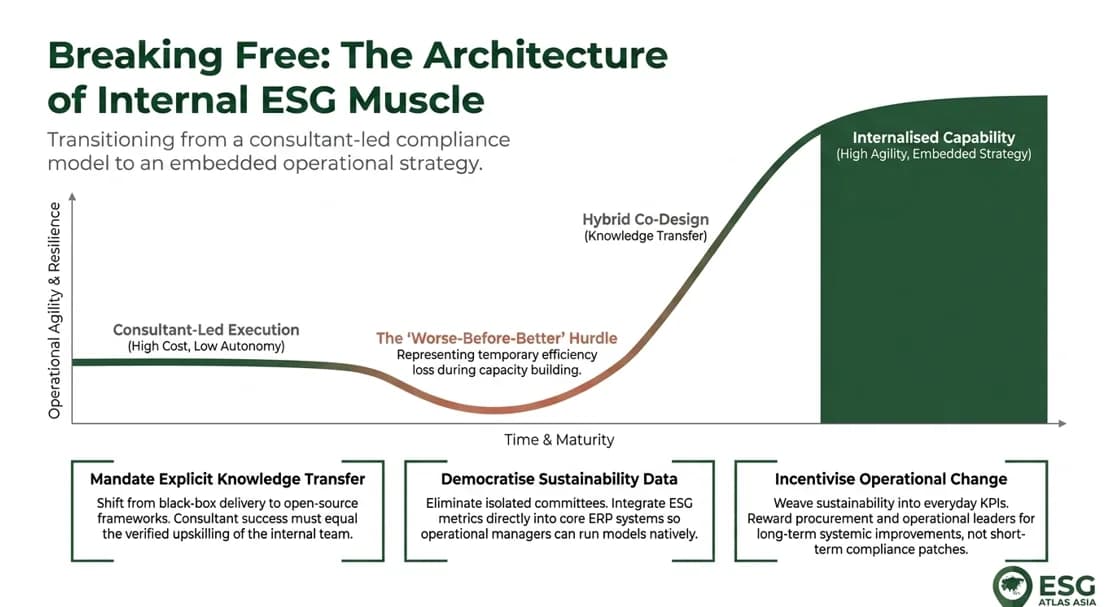
The ESG Capability Trap
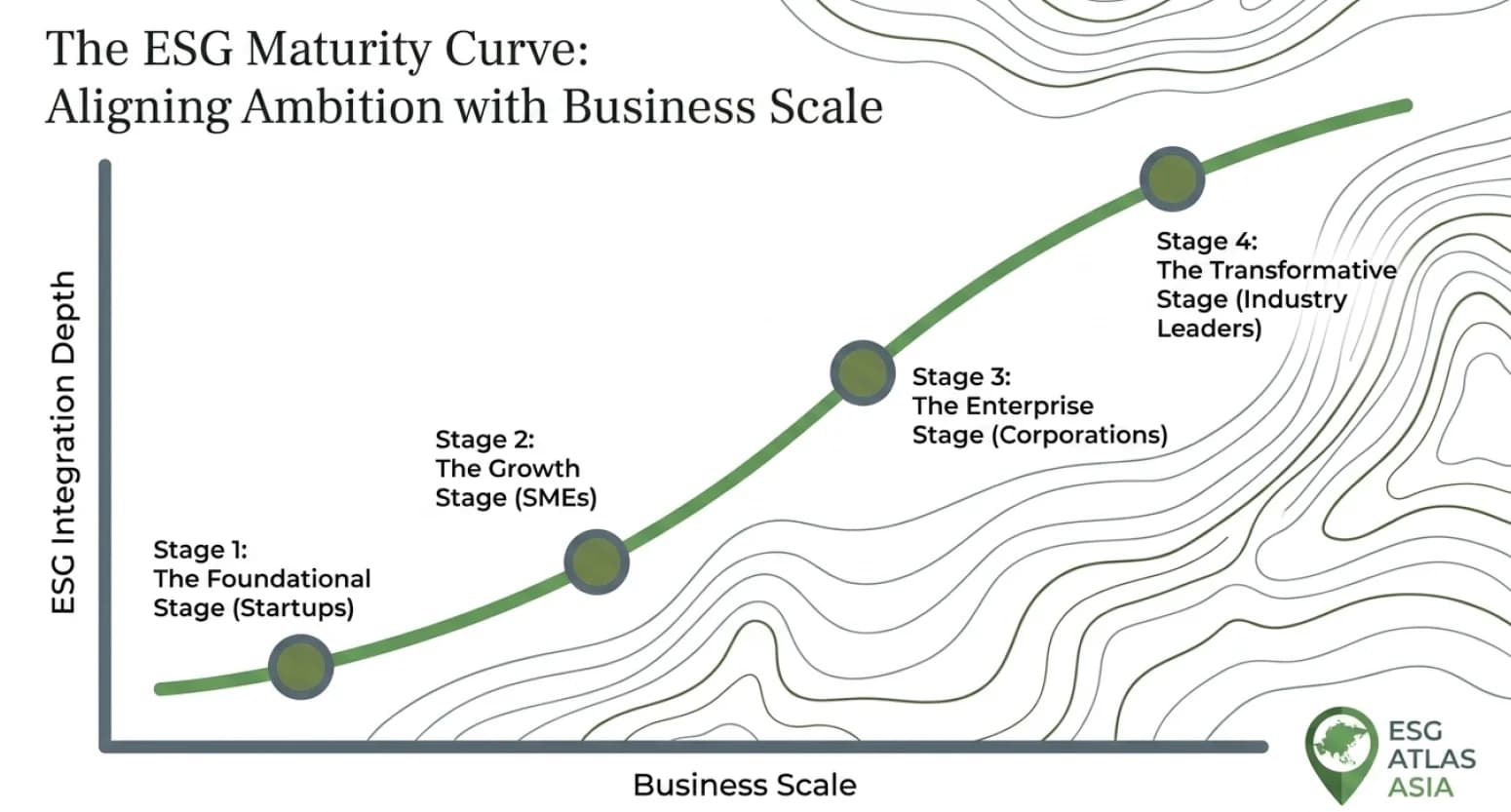
Is your organization truly sustainable, or just paper-mature? Discover why companies fall into the ESG capability trap and how to build internal muscle.
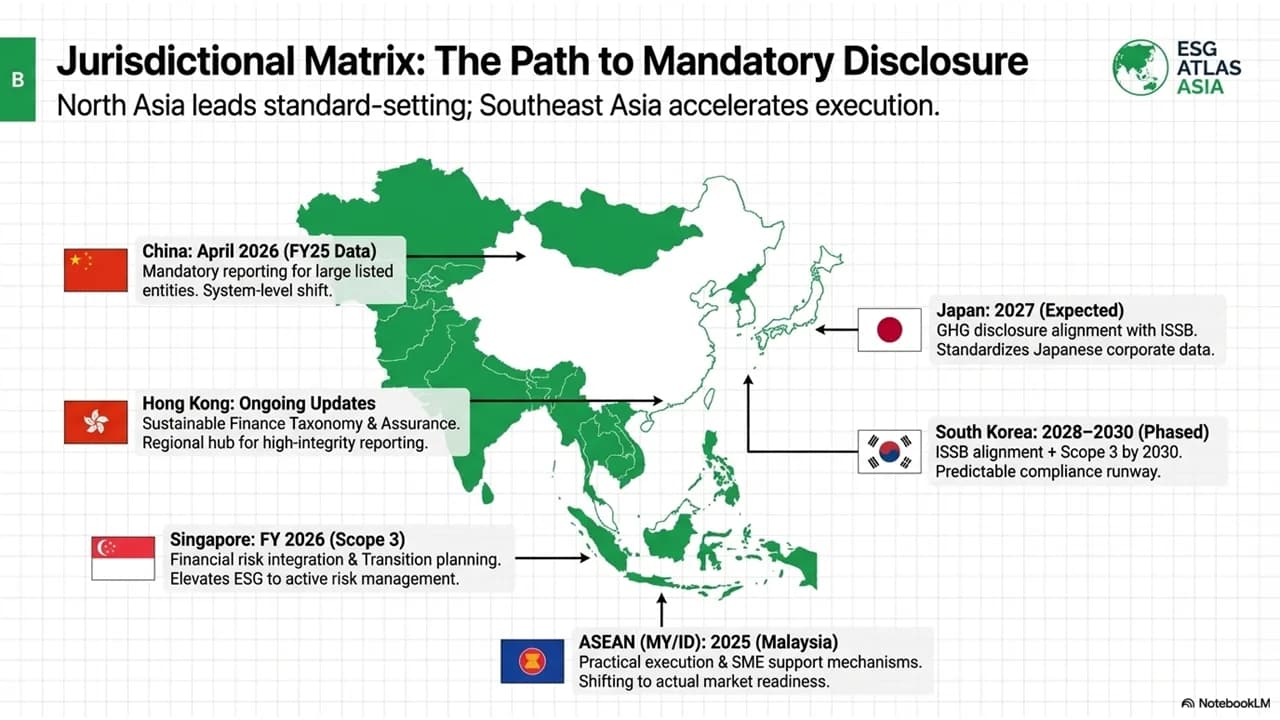
Asia ESG Regulatory Watch – March 2026: ISSB Alignment, Scope 3 Mandates & Assurance Trends
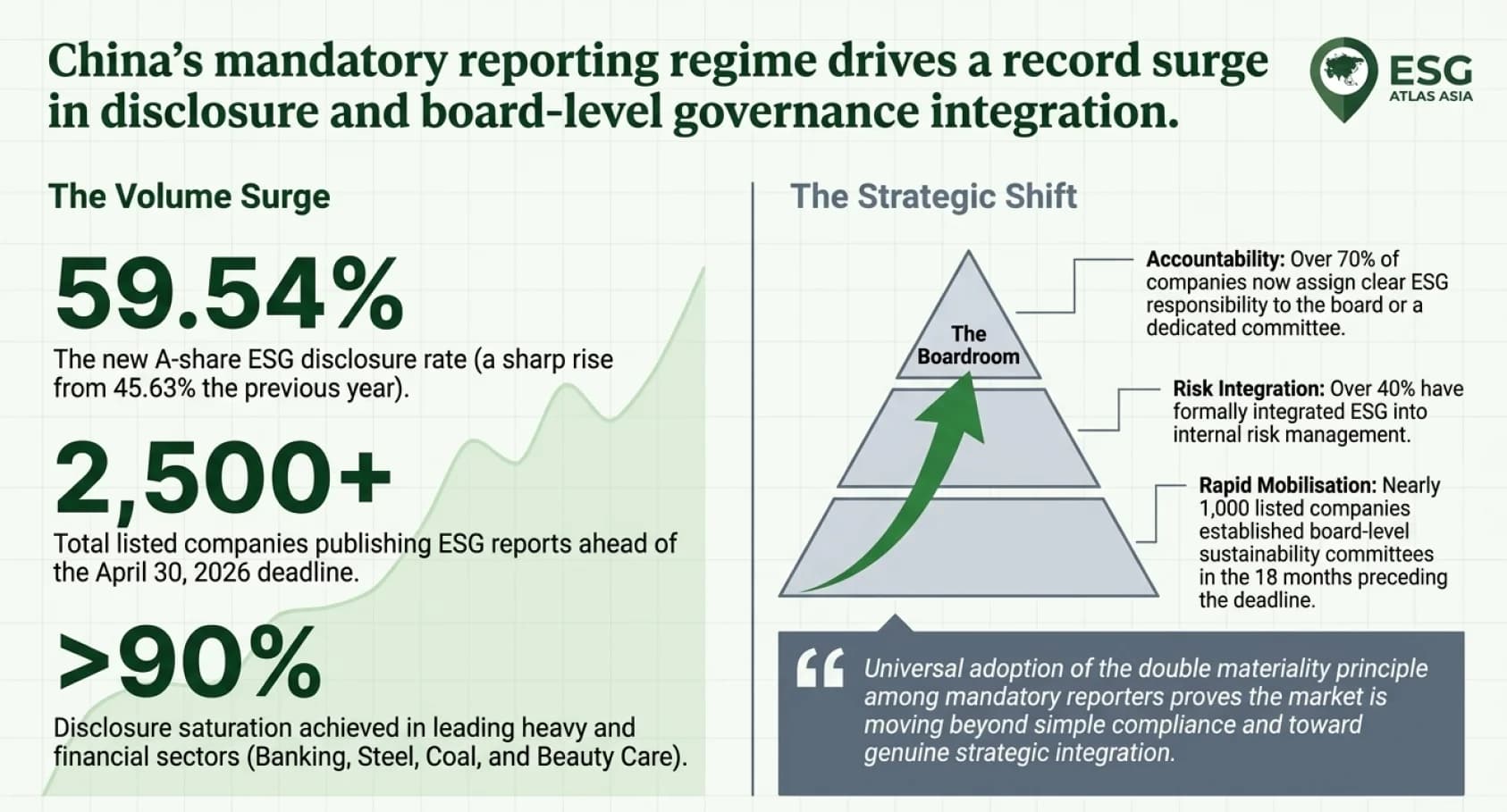
Asia’s ESG regulatory landscape accelerated in March 2026, with ISSB alignment, Scope 3 reporting, and assurance frameworks gaining momentum. South Korea and Singapore led with detailed roadmaps, while China, Hong Kong, and Southeast Asia advanced mandatory disclosures and taxonomies—signaling a region-wide shift toward standardized, decision-useful ESG reporting.
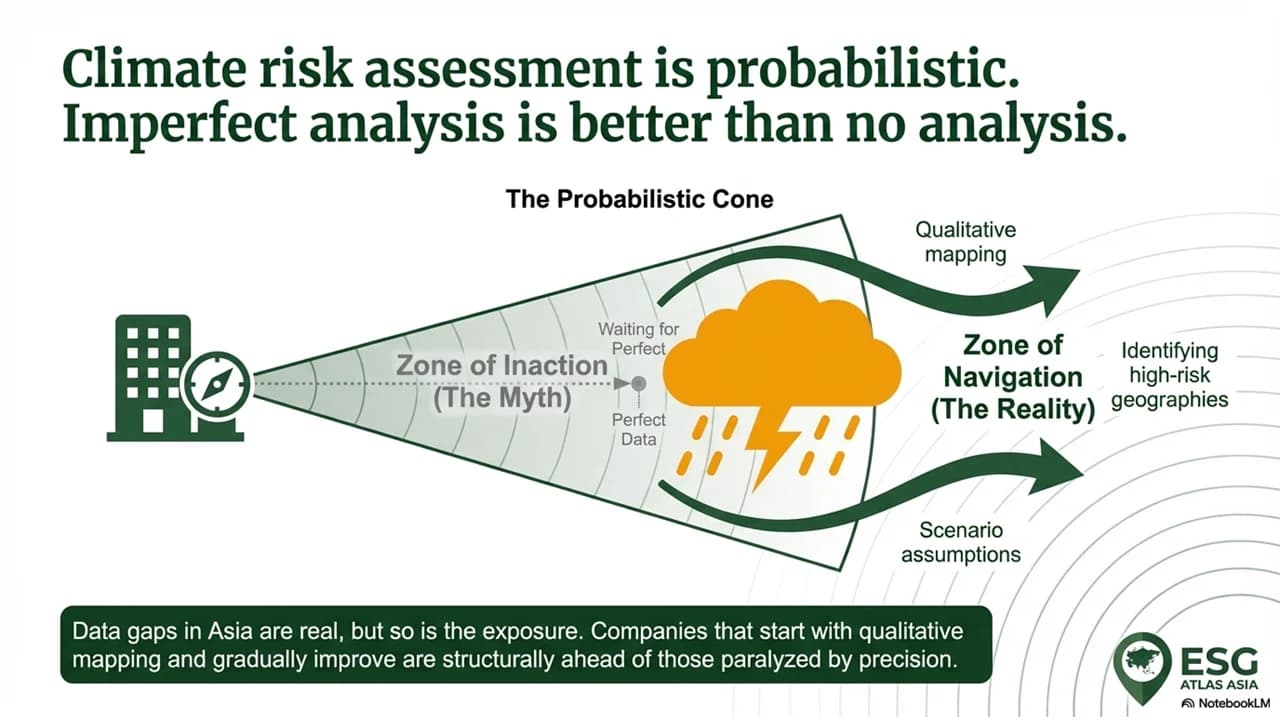
8 Climate Risk Myths Debunked: A Guide for Asian Businesses
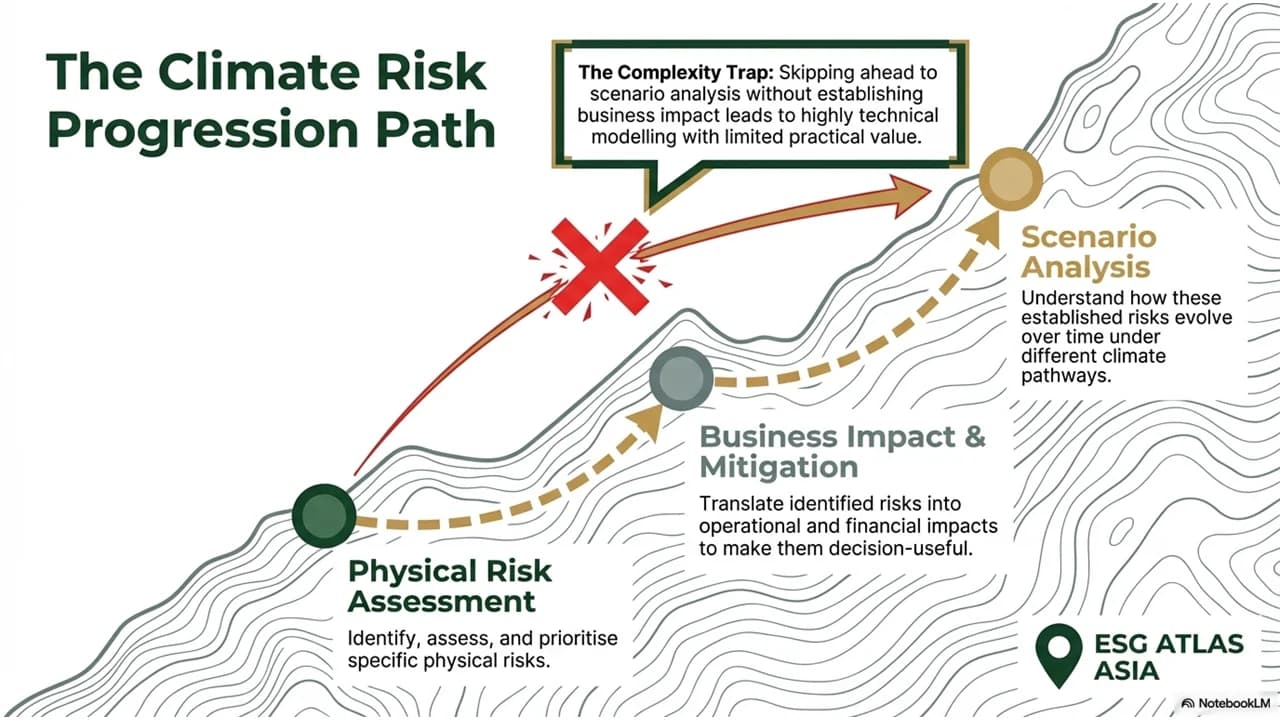
Climate risk is no longer an abstract debate—it’s a boardroom priority. From the "future problem" fallacy to the "data perfection" trap, we break down the 8 common misconceptions holding companies back. Learn why climate risk is a current business variable that belongs in finance and operations, not just ESG reports.
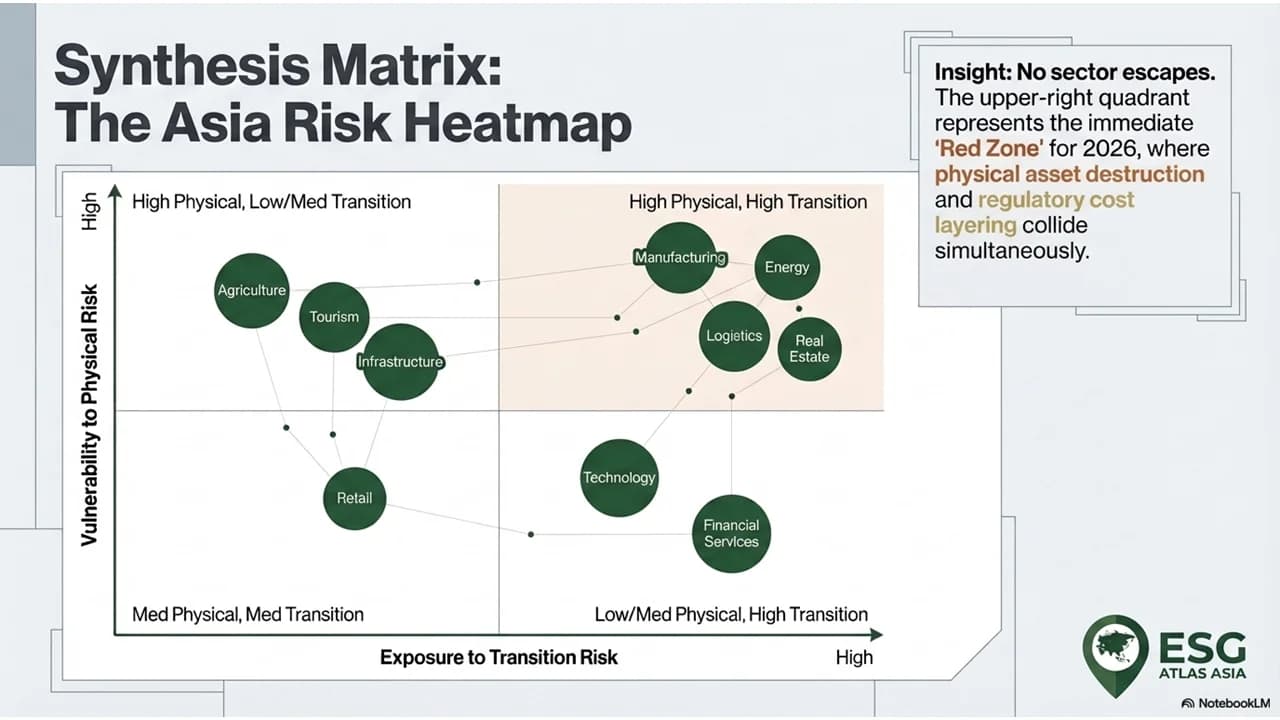
Top Climate Risks by Industry in Asia (Part 2): Energy, Finance, Retail, Tourism, Technology, and Infrastructure
Discover how climate risks impact energy, finance, retail, tourism, technology, and infrastructure sectors in Asia, with actionable ESG strategies for businesses.
Top Climate Risks by Industry in Asia (Part 1): Manufacturing, Agriculture, Real Estate, and Logistics
Explore the most critical physical and transition climate risks across manufacturing, agriculture, real estate, and logistics in Asia, with practical strategies for businesses.
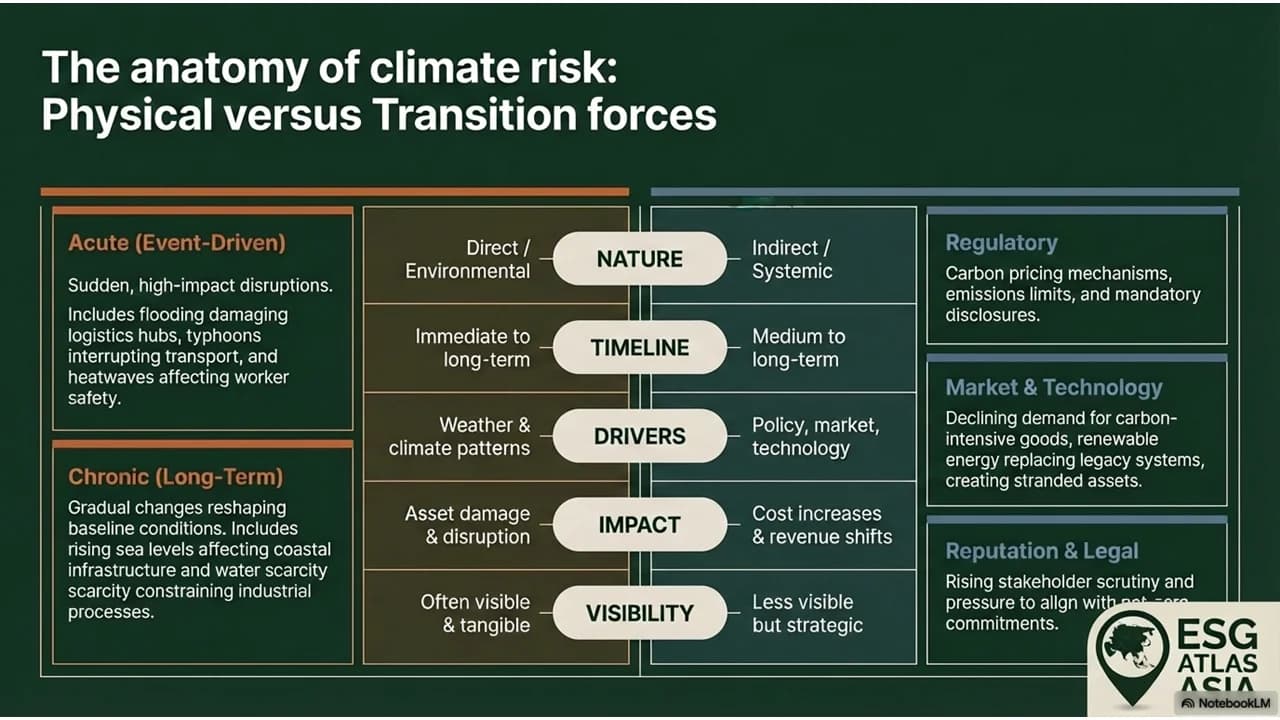
Climate Risk 101: Physical vs Transition Risk Explained for Asia
Learn what climate risk is and how physical and transition risks impact businesses. Explore why climate risk is rising across Asia and what companies need to know.
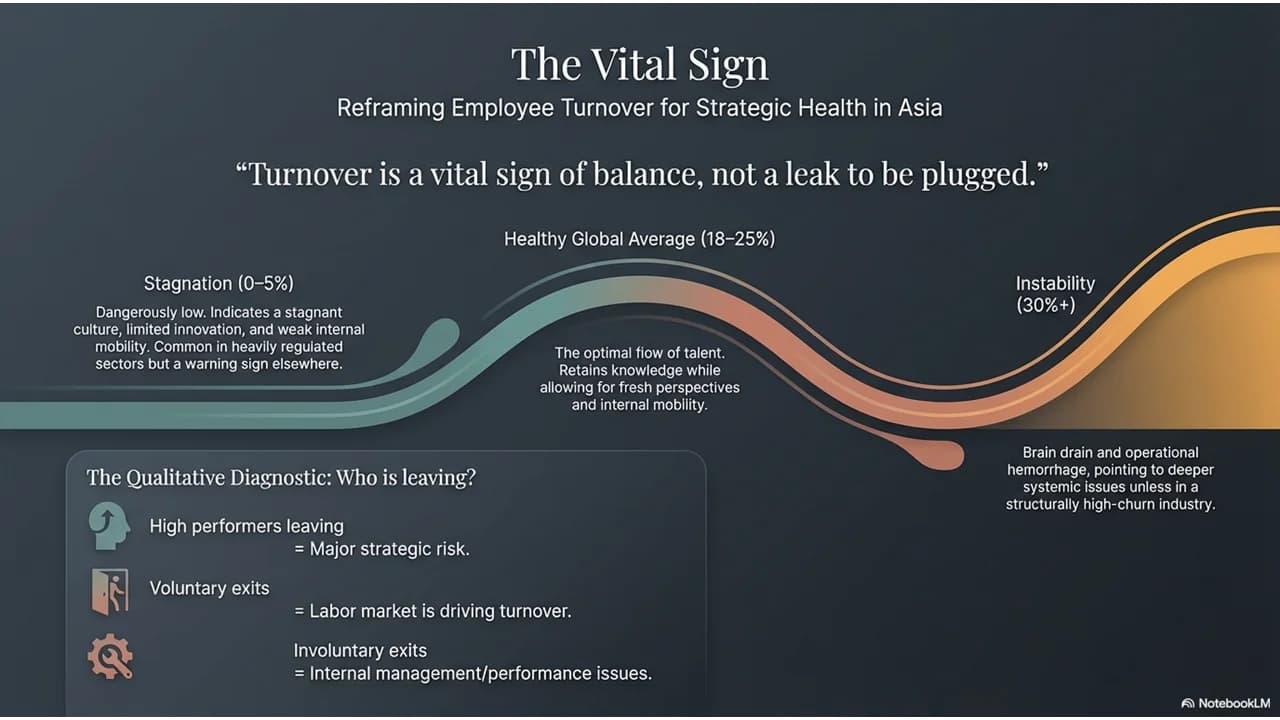
What Is a Healthy Turnover Rate? Industry & Asia Insights
Understand healthy employee turnover rates by industry in 2026. Explore global benchmarks and Asia insights, including Vietnam trends and ESG implications.
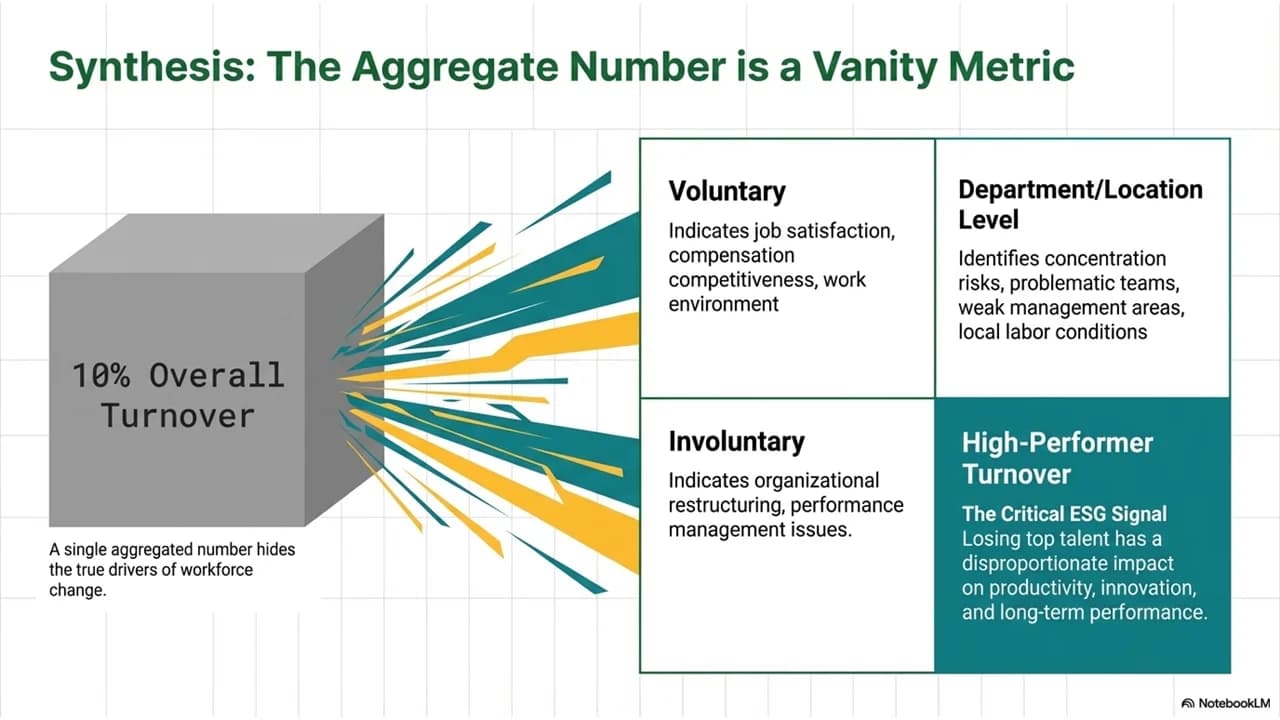
How to Calculate Employee Turnover Rate & Common mistakes to avoid
Learn how to calculate employee turnover rate step by step, with detailed formulas, examples, and common mistakes. Includes ESG reporting insights and Asia-specific challenges.