
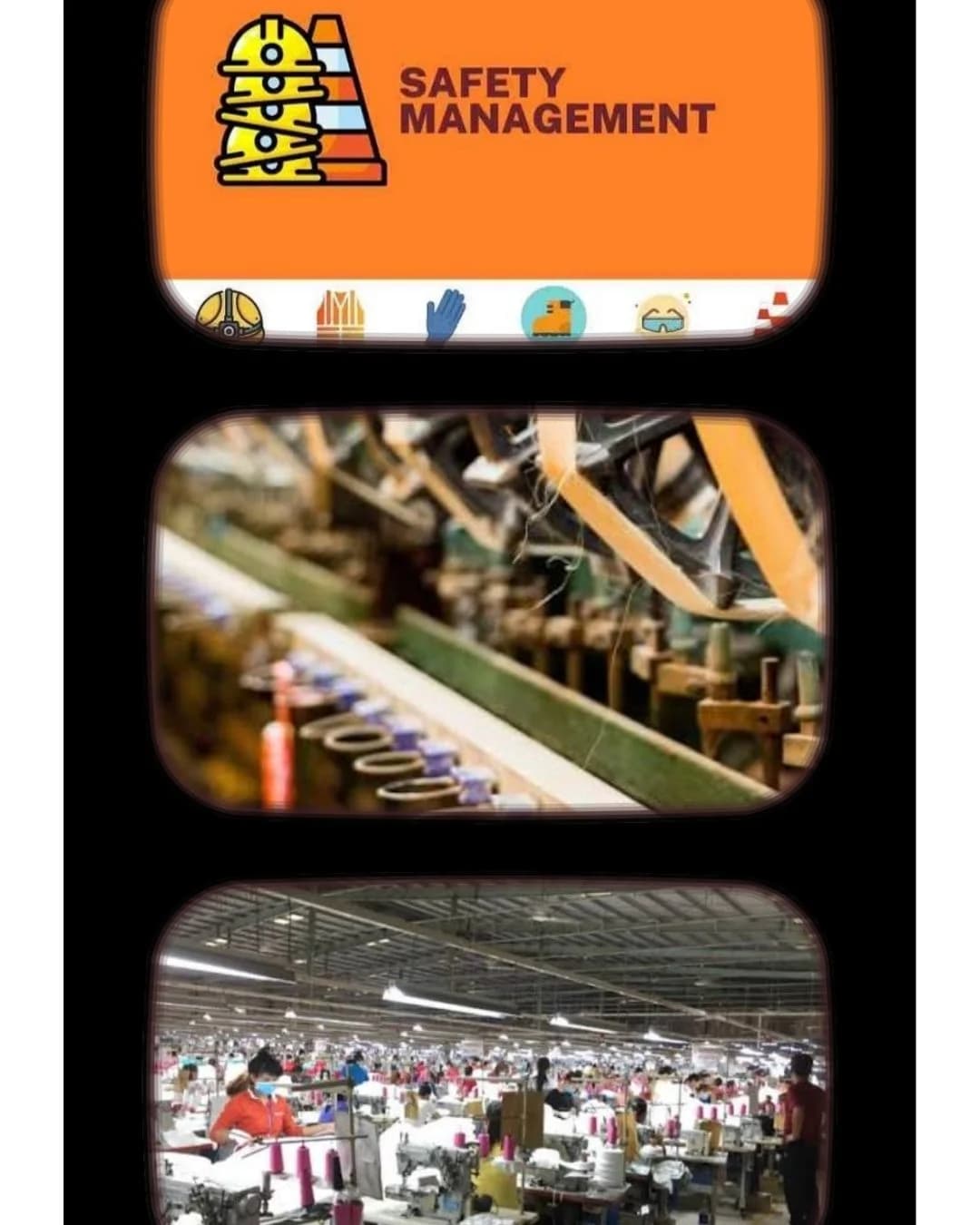
Safety indicators are not neutral numbers; they are tools that shape behavior, allocate resources, and signal priorities. In Asia’s textile industry, they have driven real progress: fewer fires, better building standards, more training, and greater awareness of heat stress. But they have also created perverse incentives: underreporting, box-ticking, and a focus on documentation over genuine worker protection.
Numbers tell stories but only if you know how to read them.
In Asia’s textile and garment sector, safety indicators like TRIR, LTIFR, and audit compliance rates are ubiquitous. They appear in sustainability reports, supplier scorecards, and multi-stakeholder initiative dashboards. Yet behind these standardized metrics lie complex realities: data quality challenges, divergent hazard profiles, and organizational incentives that shape what gets reported and what remains hidden.
Understanding what safety indicators reveal and what they obscure is essential for brands seeking to demonstrate genuine due diligence, factories aiming to improve worker well-being, and policymakers working to strengthen enforcement.
The Gap Between Reported Rates and Ground Reality
On paper, a factory with a TRIR of 0.8 looks safer than one with a TRIR of 1.5. In practice, the relationship between reported incident rates and actual safety conditions is far more nuanced. Research from Vietnam’s garment sector found that over 70% of manufacturers failed to meet acceptable occupational safety and health standards on most compliance points, yet many still reported relatively benign injury rates in their disclosures.
This disconnect arises from several factors:
- Underreporting: Workers may face subtle pressure not to report minor injuries, or injuries may be classified as “non-recordable” through creative interpretation of medical treatment definitions. In Indonesia, studies of human resource safety reporting found that disclosure practices were heavily influenced by financial considerations and brand relationships.
- Data quality: Incomplete hours records, inconsistent injury classification, and weak verification mechanisms can distort TRIR and LTIFR calculations. A factory that underreports actual hours worked will artificially inflate its incident rates; one that overreports hours will make its safety performance look better than it is.
- Turnover effects: High worker turnover can mask injuries, as a worker injured late in the month may leave before their case appears in the statistics, especially in factories with precarious employment arrangements.
For brands and auditors, this means that incident rates must be interpreted with deep contextual awareness. A low TRIR in isolation is not a reliable signal of safety; it must be corroborated with leading indicators, worker interviews, and on-the-ground observations.
Asia’s Distinctive Hazard Profile
The safety indicators used in Asian textile factories are, on their face, identical to those used in Europe and North America. But the hazards those numbers are meant to capture differ significantly.
In Europe, occupational safety frameworks emphasize ergonomic risks, psychosocial hazards, and long-term occupational diseases alongside acute injuries. EU-OSHA’s guidance reflects a mature regulatory environment where baseline compliance is assumed, and the focus has shifted to continuous improvement and worker well-being.
In Asia’s garment sector, by contrast, three hazard categories dominate:
- Fire and building safety: The legacy of disasters like Rana Plaza has made structural integrity, fire alarms, and emergency exits central to factory scorecards. The Accord on Fire and Building Safety in Bangladesh and its successor initiatives created detailed safety KPIs that went far beyond standard injury metrics.
- Heat stress: Indoor heat limits are absent or weakly enforced in Bangladesh, Cambodia, and Pakistan, leaving workers vulnerable to heat exhaustion and long-term health impacts. Research from the Global Labor Institute found that indoor heat limits for factories do not exist in the laws of these countries. In response, some brands now track heat-exceedance days and paid break coverage as formal safety indicators.
- Excessive overtime: While technically a labor rights issue, overtime is increasingly recognized as a safety indicator given the correlation between fatigue and accident risk. In Cambodia, half of all garment sector employees worked more than the allowed 48 hours per week; in Pakistan and Vietnam, more than 40% work excessive hours.
These hazards require indicators that go beyond TRIR and LTIFR. A factory may have a low injury rate but still expose workers to dangerous heat levels or structurally unsafe buildings. Brands that fail to account for these region-specific risks will miss critical dimensions of worker safety.
Compliance Trends: Progress and Persistent Gaps
The ILO’s Better Work programme offers one of the most comprehensive datasets on safety compliance in Asia’s garment sector. Across multiple countries like Vietnam, Indonesia, Cambodia, Bangladesh, the data reveal a pattern of gradual improvement alongside persistent gaps.
In Vietnam, the rate of non-compliance with proper risk assessment requirements halved over five assessment cycles. In Cambodia, compliance with functioning safety committees improved to 40% by the fourth cycle, and factories conducting OSH assessments increased to 50%. These gains are real, even if the baseline was low, and they suggest that when brands, governments, and workers collaborate around clear metrics, progress is possible.
Yet occupational safety and health remains the area with the highest rates of non-compliance across Better Work countries. Baseline assessments consistently show that OSH is where factories struggle most, alongside issues like working time, compensation, and contracts. This pattern underscores the need for sustained investment in safety systems, not just one-off audits or remediation efforts.
The Role of Multi-Stakeholder Initiatives
Multi-stakeholder initiatives like the ILO Better Work programme, the Accord on Fire and Building Safety, and brand-led safety alliances have played a crucial role in shaping safety indicators in Asia. These initiatives have:
- Standardized metrics across factories and countries, enabling benchmarking and trend analysis.
- Introduced leading indicators (training rates, safety committee functionality, audit closure rates) alongside traditional lagging metrics.
- Created incentives for factories to invest in safety infrastructure by linking compliance to market access.
However, MSIs also face criticism for creating a compliance industry that prioritizes documentation over genuine worker protection. Factories may excel at producing safety reports while workers continue to face unsafe conditions. This tension highlights the need for indicators that capture worker voice and lived experience, not just management systems and audit scores.
Worker Voice as a Safety Indicator
One of the most significant blind spots in current safety metrics is worker voice.
- Do workers feel safe reporting hazards?
- Do they trust that their concerns will be addressed?
- Are they represented meaningfully in safety committees?
These questions are rarely captured in standard TRIR/LTIFR dashboards, yet they are critical predictors of safety performance.
Emerging approaches include:
- Worker survey scores: Periodic surveys asking workers about perceived safety climate, trust in management, and willingness to report hazards.
- Grievance mechanism usage: Number of safety-related grievances filed and resolved, normalized to workforce size.
- Safety committee representation: Percentage of safety committee seats held by elected worker representatives, not management appointees.
Factories with high worker voice indicators tend to have more robust near-miss reporting, faster hazard remediation, and lower long-term incident rates even if their short-term TRIR appears higher due to increased reporting.
Implications for Brands: Due Diligence Beyond Box-Ticking
For global apparel brands, safety indicators are not just performance metrics; they are evidence of due diligence under emerging regulations like the EU Corporate Sustainability Due Diligence Directive and the German Supply Chain Act. Brands that rely solely on TRIR and audit scores risk falling short of these legal expectations.
To demonstrate genuine due diligence, brands should:
- Require leading indicators: Demand data on training, safety committees, near-miss reporting, and heat-stress mitigation.
- Invest in data quality: Support factories in improving hours tracking, injury classification, and verification mechanisms to ensure reported numbers are reliable.
- Elevate worker voice: Incorporate worker survey data and grievance metrics into supplier evaluations, and ensure workers can report concerns without fear of retaliation.
- Contextualize benchmarks: Recognize that a factory in Asean faces different hazards than one in Portugal, and adjust expectations accordingly. A slightly higher TRIR in a high-heat, high-overtime environment may reflect more honest reporting, not worse safety.
Implications for Factories: From Compliance to Capability
For factory owners and managers, safety indicators offer a roadmap for building organizational capability. Factories that treat TRIR and LTIFR as box-ticking exercises will miss the deeper value of these metrics: the ability to identify trends, allocate resources, and hold management accountable.
To move from compliance to capability, factories should:
- Integrate safety into production planning: Ensure that safety meetings, training, and hazard assessments are scheduled and resourced like any other critical business function.
- Track leading indicators rigorously: Measure training completion, safety committee functionality, and near-miss reporting with the same discipline as incident rates.
- Invest in worker participation: Create genuine channels for workers to report hazards and participate in safety decisions, not just token safety committees.
- Use data for continuous improvement: Analyze trends in TRIR, LTIFR, and severity rates to identify high-risk processes, departments, or shifts, and target interventions accordingly.
Implications for Policymakers: Strengthening Enforcement and Data Systems
For governments in Asia’s garment-producing countries, safety indicators offer a window into systemic gaps in enforcement and data collection. High non-compliance rates in OSH, as documented by Better Work, signal the need for stronger labor inspectorates, clearer regulations, and better data infrastructure.
Policy priorities should include:
- Mandating hours tracking: Require factories to maintain accurate, auditable records of hours worked to enable reliable TRIR/LTIFR calculations.
- Standardizing injury definitions: Align national regulations with ILO guidance on what constitutes a recordable injury, reducing ambiguity and underreporting.
- Supporting worker voice: Enforce legal protections for workers who report safety concerns, and require genuine worker representation on safety committees.
- Investing in heat-stress regulation: Develop and enforce indoor heat limits, particularly in hot countries where current laws are weak or absent.
Reference
1. What Are Common Labor Safety Indicators in Asia’s Textile Industry and How to Calculate Them?
2. ILO
3. Advancing decent work in garment supply chains in Asia and the Pacific
5. Cornell ILR – Higher Ground report
6. ILO – Textiles, apparel, leather and related products
7. Human Resource Safety Reporting in Annual Reports of Textile Companies – Indonesia
8. UN Global Compact – Occupational Safety & Health in Business