

Practical Insights on
ESG Reporting & Sustainability in Asia
ESG Reporting
Climate & Carbon
ESG Strategy
Asia ESG Insights
Latest ESG developments across Asia

What Safety Indicators Reveal About Asia’s Textile Industry — Insights for Brands, Factories, and Policymakers
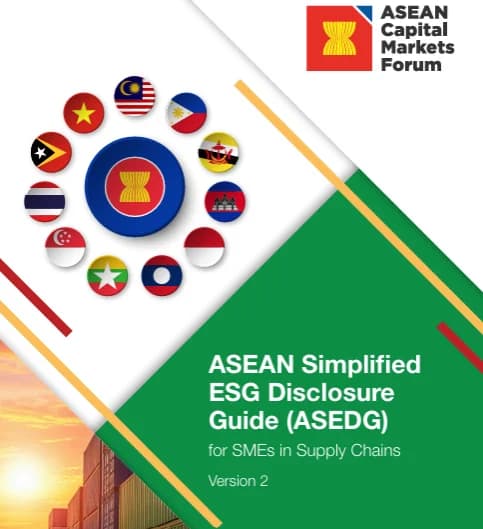
The World knows GRI, IFRS, and CSRD. But did you know ASEAN has its own supply chain ESG guide?
The article explains the ASEAN Simplified ESG Disclosure Guide (ASEDG), a voluntary framework by the ASEAN Capital Markets Forum that helps SMEs in supply chains report ESG data through 38 prioritized disclosures. These disclosures are mapped to IFRS S1/S2 and GRI standards, allowing SMEs to reuse the same information for multiple stakeholders. ASEDG uses a tiered Basic–Intermediate–Advanced approach to make reporting practical and scalable across ASEAN.
Malaysia’s National Sustainability Reporting Framework (NSRF): How to understand and apply it correctly?
This article provides a deep dive into Malaysia’s National Sustainability Reporting Framework (NSRF), outlining its timeline, scope, and key requirements. It compares how this local framework differs from the global IFRS standards and highlights other national emerging sustainability trends.
Featured Resources
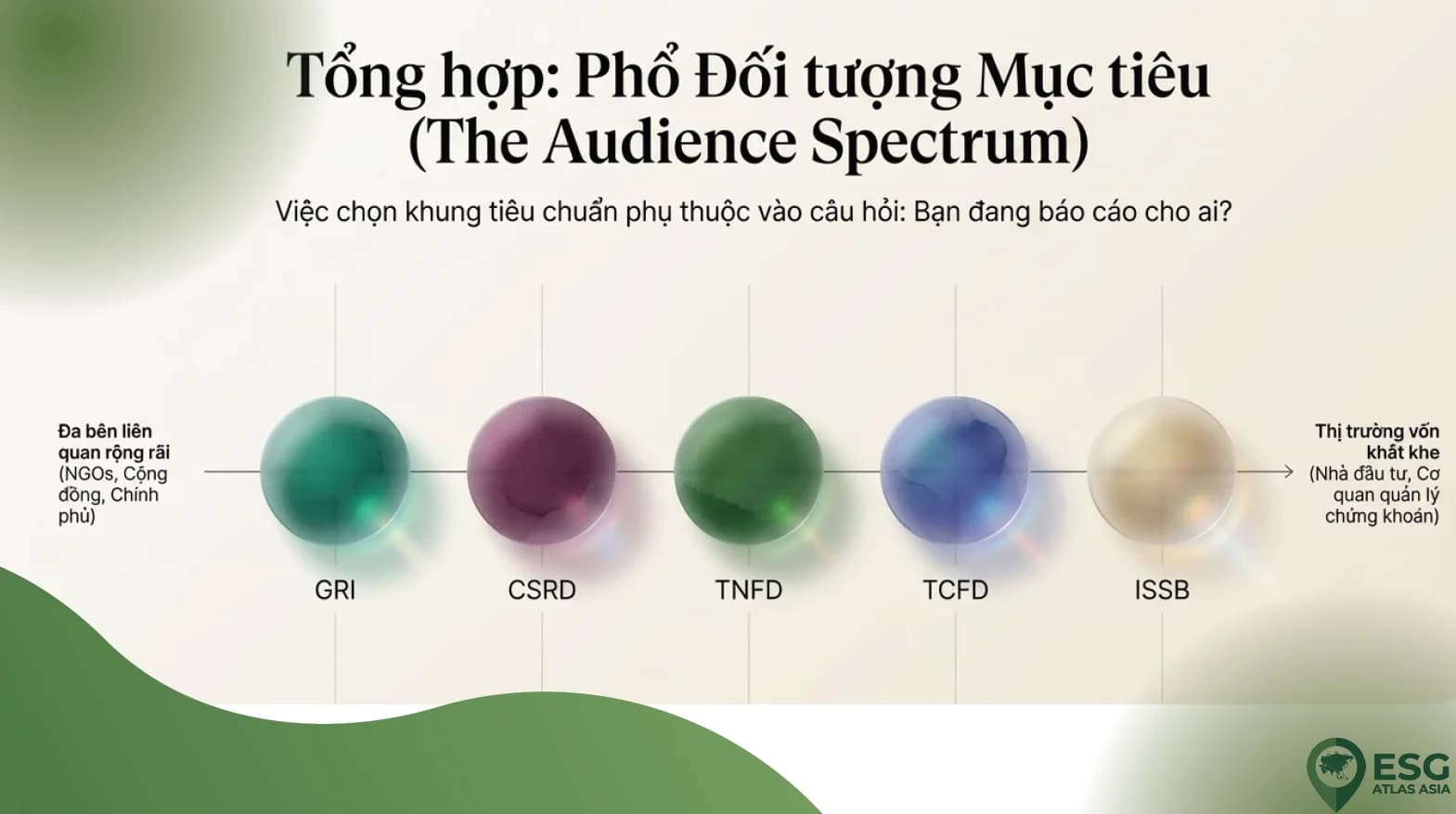
Webinar PPT: ESG in Asia - The race has began
- ESG trends across Asia and Vietnam - Navigating major ESG frameworks - The gap between “on paper” and implementation - 5 Practical starting steps for businesses
Download →
PRACTICAL CHECKLIST & QUESTION BANK TRANSITION RISK ASSESSMENT
This checklist is designed to support each step of the transition risk assessment process. - Use it as a workshop tool with internal teams - Use it as a client questionnaire (for consulting) - Use it as a self-assessment framework
Download →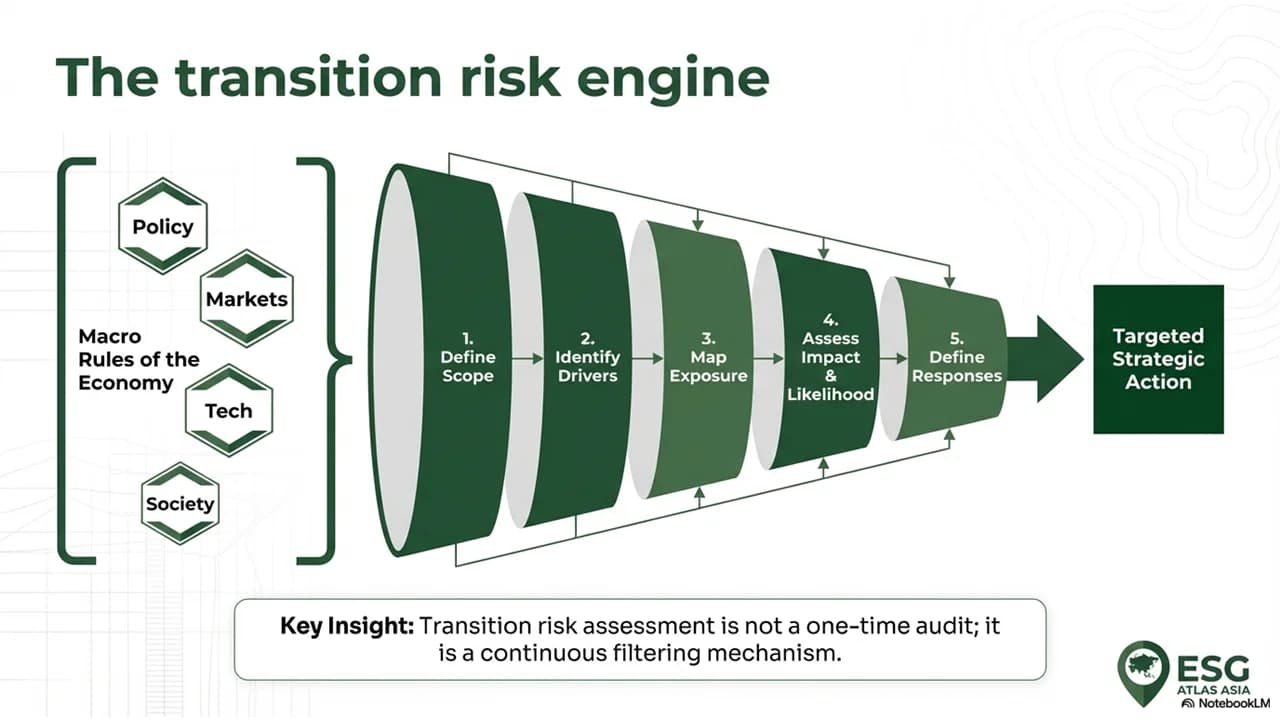
Climate Transitional Risk Assessment Guide
This guide provides a structured, practical framework to help you: - Identify relevant transition risks - Understand how they affect your business - Prioritise what matters most - Take initial, actionable steps
Download →Latest Articles
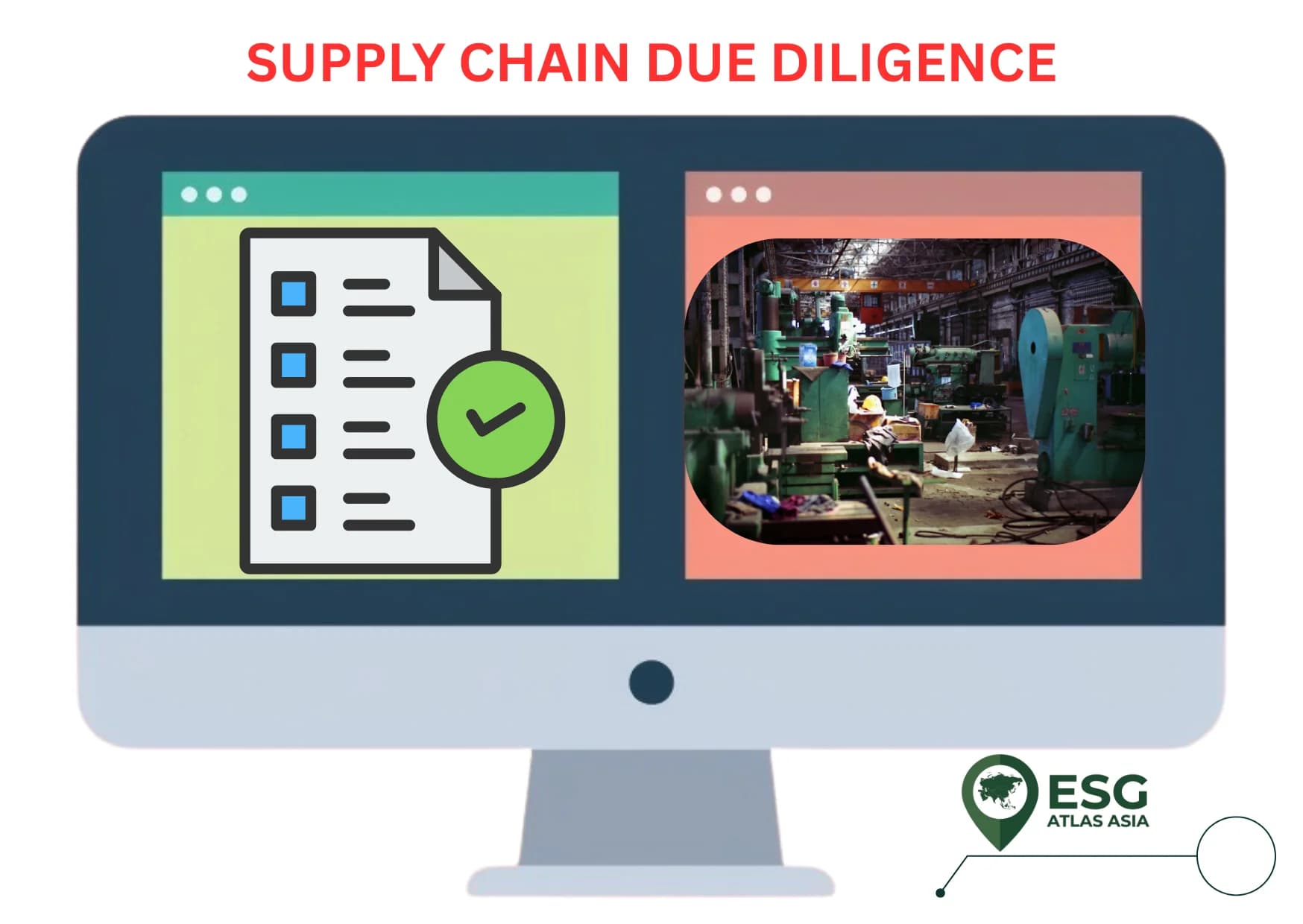
Why Social Audits Fail & How CSDDD Changes the Game
What Safety Indicators Reveal About Asia’s Textile Industry — Insights for Brands, Factories, and Policymakers
Safety indicators are not neutral numbers; they are tools that shape behavior, allocate resources, and signal priorities. In Asia’s textile industry, they have driven real progress: fewer fires, better building standards, more training, and greater awareness of heat stress. But they have also created perverse incentives: underreporting, box-ticking, and a focus on documentation over genuine worker protection.
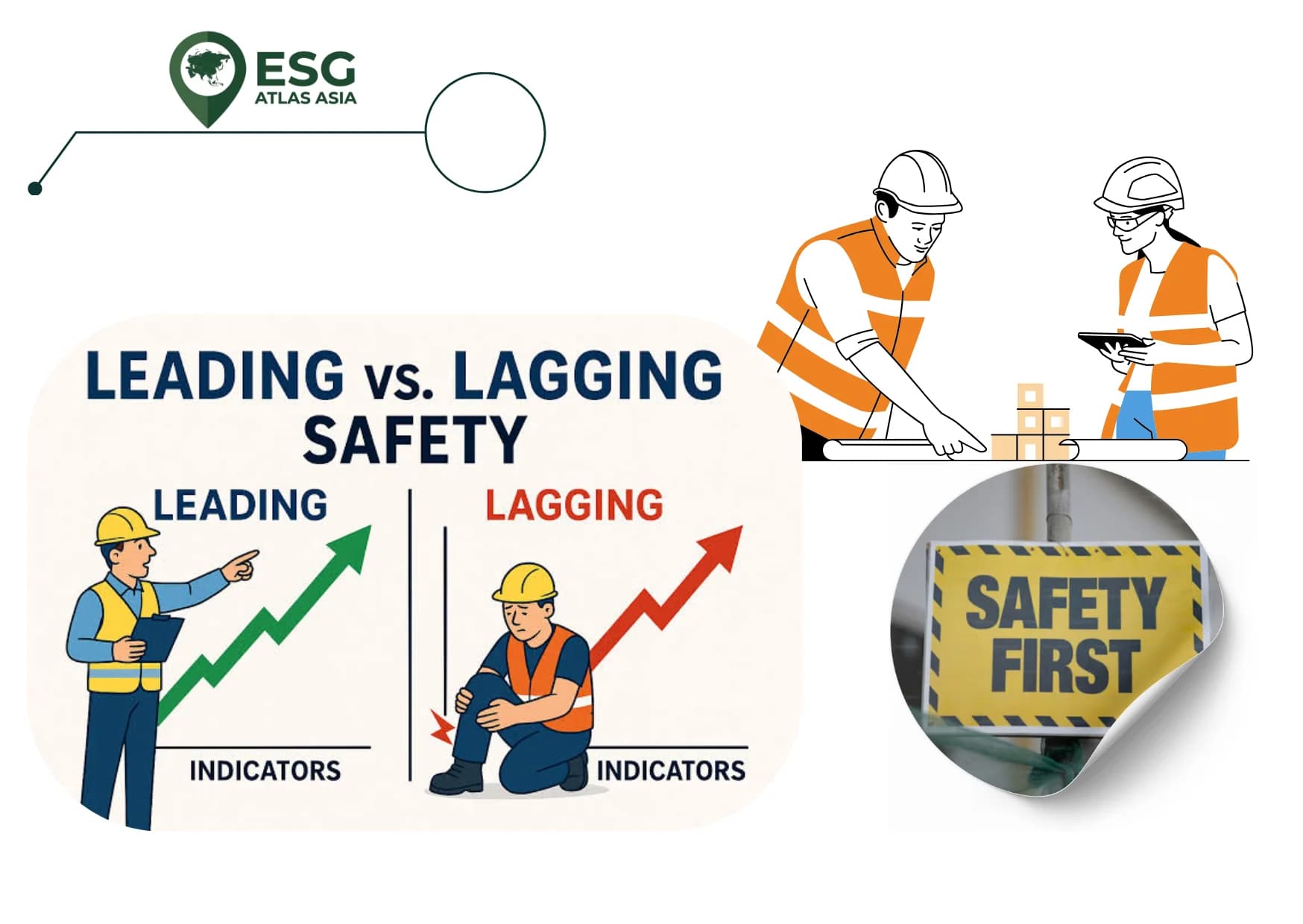
What Are Common Labor Safety Indicators in Asia’s Textile Industry and How to Calculate Them?
This article maps the core labor safety indicators used across Asia’s textile and garment sector, from TRIR and LTIFR to training completion and heat-stress metrics and explains, in practical terms, how each is calculated according to prevailing international and regional practice. It equips factory managers, brand compliance teams, and auditors with a clear, standardized toolkit for measuring safety performance in a way that aligns with ILO guidance and buyer expectations.