
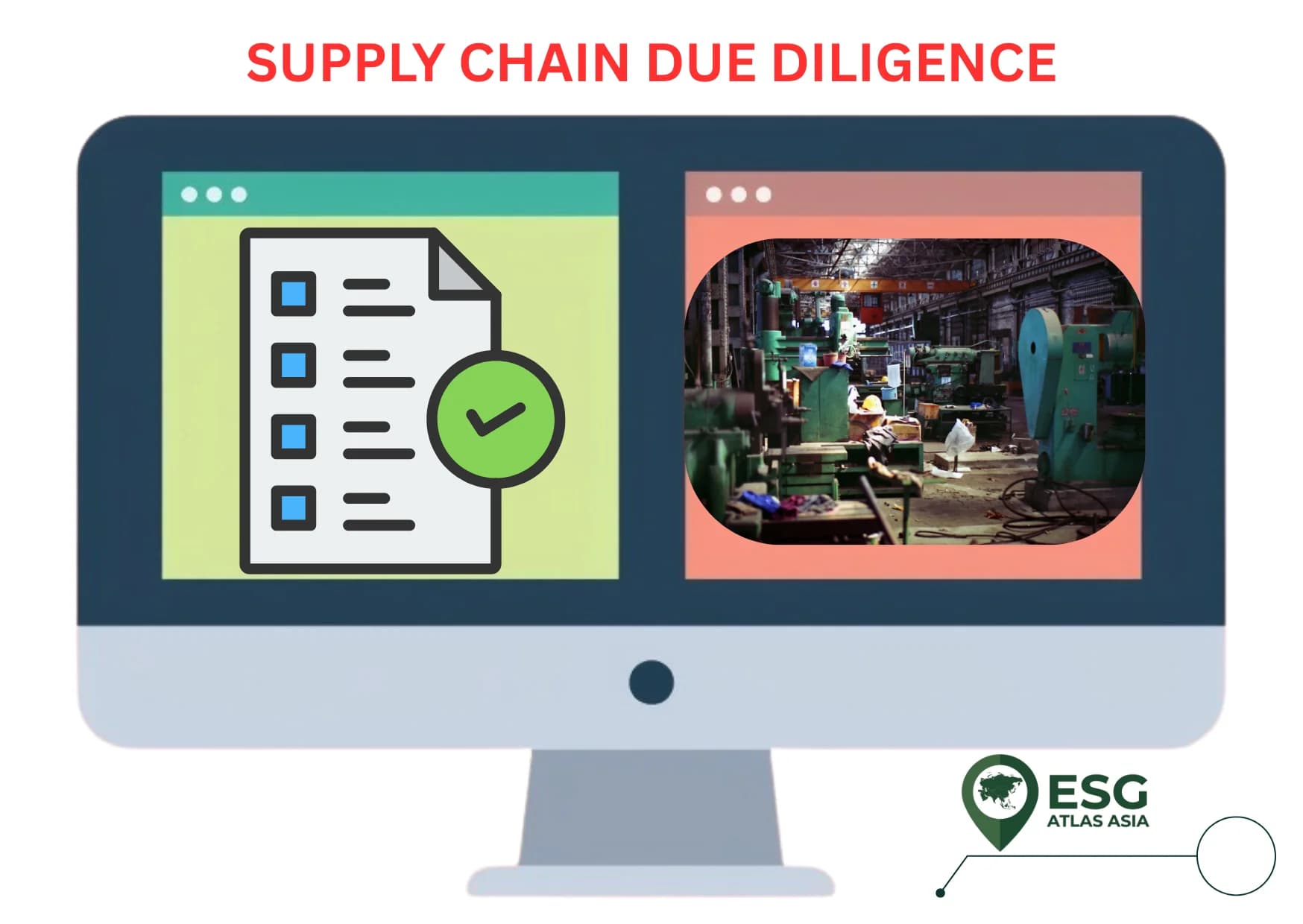
Whenever an industrial disaster strikes an export manufacturing hub, a familiar script follows: widespread public grief, corporate statements of concern, and the eventual revelation that the facility had passed a commercial social audit only months or weeks prior.
How to look at this as a structural problem, not an isolated oversight failure?
It's time to consider the incentives governing the current auditing - the global supply chain has treated social auditing as a transactional compliance transaction rather than a continuous operational commitment.
As mandatory frameworks like the EU Corporate Sustainability Due Diligence Directive (CSDDD) take effect, treating social compliance as an outsourced, transactional transaction is rapidly becoming a legal and operational liability.
The Anatomy of the Transactional Audit Trap
For more than two decades, the standard corporate playbook for supply chain oversight has centered on periodic social audits. While conceived to establish baseline standards, this approach creates structural vulnerabilities:
- Snapshot vs. Reality: An announced or semi-announced audit captures an artificial snapshot.The result is a compliance snapshot rather than a reliable picture of day-to-day operations. A factory may appear compliant during an inspection while continuing to expose workers to serious risks at other times.
- Compliance theater over continuous improvement: Factories undergo dozens of redundant buyer audits annually. This creates systemic audit fatigue, encouraging suppliers to optimize paperwork and interview preparation rather than directing capital toward fire suppression, structural retrofits, or chemical ventilation systems.
- Conflict of interest at the core: A fundamental vulnerability in the social auditing industry is who pays for the inspection. In factory-requested or supplier-funded audits, the factory pays the auditing body while depending on a clean report or high rating to secure orders from global brands. This creates commercial pressure against honesty and can lead to post-audit abandonment, with corrective actions treated as temporary requirements rather than sustained improvements.
The Structural Squeeze Across Asian Manufacturing Hubs
Auditing cannot be viewed in isolation from the commercial purchasing practices of international buyers.
Factories across Asia operate under razor-thin margins, tight delivery windows, and high price competition. At the same time, brands demand flawless sustainability scorecards. When suppliers are expected to absorb the full cost of fire-suppression systems, electrical overhauls, or hazardous-materials ventilation, limited capital and commercial pressure encourage factories to paper over risks rather than engineer them out.
Without independent worker representation or protected whistleblower channels, workers have little ability to challenge dangerous conditions without risking retaliation or unemployment.
How CSDDD Rewrites the Rules of Engagement
The EU CSDDD establishes a clear regulatory departure from traditional voluntary audits:
- Audits are no longer a legal shield: Under CSDDD, relying on an audit report or standard third-party certification is insufficient to prove effective due diligence. Companies cannot outsource their duty of care.
- Prohibiting unilateral liability shifting: The directive requires buyers to evaluate their own purchasing practices, lead times, and pricing structures. Buyers cannot simply draft a supplier code of conduct, mandate that the supplier pay for an audit, and wash their hands of subsequent operational failures.
- Continuous prevention over periodic checklists: The law requires continuous risk identification, root-cause prevention plans, and meaningful consultation with affected stakeholders by placing the rights-holder, rather than the certification document, at the center.
Rethinking Accountability: Three Essential Shifts
To move beyond the structural blind spots of commercial auditing, brands and manufacturing groups must adopt substantive operational alternatives:
1. Worker-driven due diligence
Occupational health and safety is verified in real time on the production line, not during an audit walkthrough. Independent, confidential grievance channels and joint worker-management safety committees empower the people facing daily hazards to flag and stop unsafe work without commercial repercussions.
2. Decoupling inspection from commercial pressure
Verification mechanisms must be insulated from supplier-pays conflicts of interest. Audits must transition from generalist checklist reviews to unannounced, technically specialized engineering and safety assessments with full transparency of findings.
3. Shared-cost remediation & purchasing alignment
Safety is an operational overhead that requires sustained investment. When life-safety hazards are detected, remediation must be treated as a shared responsibility, supported by fair commercial terms and buyer co-investment in facility upgrades.
4. Continuous, integrated monitoring
The future of industrial safety combines technical engineering audits with continuous monitoring, such as IoT-enabled environmental sensors for volatile chemicals, thermal hazard monitoring, and digital tracking, replacing paperwork checklists with verifiable operational data.
A clean audit certificate is not proof of a safe workplace; it is simply proof that an audit occurred. Until global brands, manufacturers, and regulators treat social due diligence as a continuous operational partnership, rather than a static commercial filter, the systemic risks buried beneath standard checklists will remain unaddressed. Real safety is built through daily practice, fair purchasing, and shared responsibility.
Reference
3. What Safety Indicators Reveal About Asia’s Textile Industry — Insights for Brands, Factories, and Policymakers